Supporting communities through recovery and resilience
Published on 18 February 2026
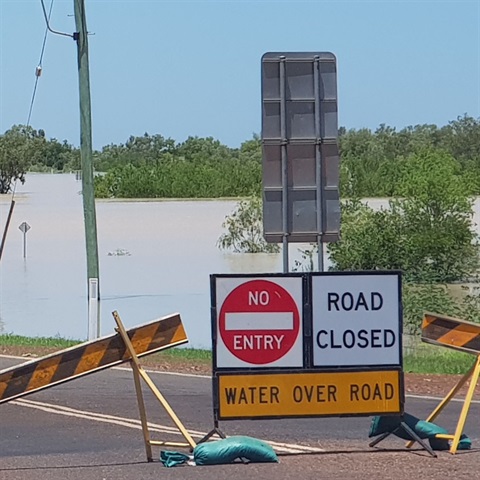
Natural disasters pose profound economic and social challenges for local councils across Queensland - disrupting infrastructure, services, and community well‑being. For Queensland councils, the toll of such events extends beyond immediate damage, impacting council finances, service delivery, and local economies.
Economic strain on council budgets
Councils often carry significant costs following natural disasters, from emergency operations, clean‑ups, and temporary infrastructure repairs to long‑term reconstruction of roads, bridges, drainage, and public buildings.
The Queensland Reconstruction Authority (QRA) 2024‑25 Annual Report reveals that 73 of Queensland’s 77 local government areas (LGAs) were activated under the disaster relief funding scheme (DRFA) during that year, driving reconstruction costs above $2.2 billion. In the 2023‑24 season, 66 of 77 LGAs were affected across 13 extreme weather events, reinforcing the widespread fiscal impact on council jurisdictions.
For local councils, these major cost exposures can strain operating budgets, affect future investment plans, and increase reliance on state or federal assistance. They may also encounter delayed revenue (e.g. for local business rates and tourism‑linked income) and unexpected expenditure on recovery‑related contracts and materials.
Service delivery and infrastructure disruption
Natural disasters frequently damage council infrastructure with roads, stormwater networks, community facilities, and emergency services access impacted. For example, in the 2023‑24 disaster season, over 15,740 km of state‑controlled roads were closed or restricted, while almost 250,000 homes lost power across Queensland. For councils, these disruptions demand urgent action, rerouting traffic, repairing assets, liaising with utilities, and managing community expectations.
Moreover, social infrastructure such as libraries, childcare centres and recreational facilities is often closed or degraded, impacting community life and requiring reallocation of council resources. The broader consequence is that councils must balance recovery tasks alongside normal operational responsibilities without diminishing service quality.
Social impacts on communities and council obligations
Councils also play a crucial role in supporting their communities post‑disaster. Psychosocial stress, displacement, and business interruption become acute. In the 2022 South East Queensland rainfall and flooding event, the total social and economic impact was estimated at $7.7 billion. Councils must step into the frontline of community recovery - operating shelters, coordinating mental‑health responses, managing evacuations, and restoring social cohesion.
Council staff, volunteer networks, and local services may face burnout or shortages during extended recovery phases. This heightens pressure on local government to maintain governance, engage stakeholders, and ensure transparent use of recovery funds while community expectations for rebuilding rapidly remain high.
Supplier, contract, and supply chain challenges
Recovery demands quickly strain supply chains and procurement frameworks managed by councils. The surge in contract activity for civil works, materials, and services after disasters means councils must act fast but also maintain probity, value for money, and fairness. The QRA emphasises locally‑led, regionally‑coordinated models, requiring councils to engage local suppliers in order to support local economic recovery. Councils must therefore integrate recovery procurement with regular supply chain processes and manage variations, scope creep, and risk in contracts while under pressure.
Conclusion
Natural disasters place a multi‑dimensional burden on Queensland local councils:
- economically through costly repairs and lost revenue
- ·operationally via infrastructure and service disruption,
- socially in supporting affected communities, and
- contractually through complex recovery‑driven procurement.
As disasters become more frequent and severe, councils must build resilience through strategic planning, robust procurement frameworks, strong stakeholder engagement, and proactive risk mitigation, ensuring they can deliver recovery effectively, responsibly and sustainably.
Support through Local Buy Arrangements
Local Buy offers over 55 Arrangements, including LB505 Disaster Management and Recovery, and others tailored to support councils at this challenging time. Of these, 37 are particularly suited for ongoing